11th May 2026
The Gear, Habits, and Upgrades That Keep Families Safe
Most households think about emergency preparedness exactly once — usually right after a close call. A tornado skips the neighborhood. The power dies for five days. Someone twists an ankle two miles from the trailhead. Then the feeling fades, and the next emergency finds the family just as flat-footed as the last one.
What This Comes Down To
- Preparedness is a habit, not a purchase — and habits take time
- The gear matters less than matching it to what the family actually does
- A plan everyone knows beats a drawer full of supplies nobody can find
- Small home upgrades often matter more than any single piece of equipment
Know Your Risks Before Buying Anything
The gear question comes second. First: what does the family actually do? Weekend boaters have different exposure than families who spend summers in the mountains. Someone in Tornado Alley needs a different baseline than someone on the Gulf Coast. Figure out the real scenarios — everything else follows.
When Getting Found Is Most Important
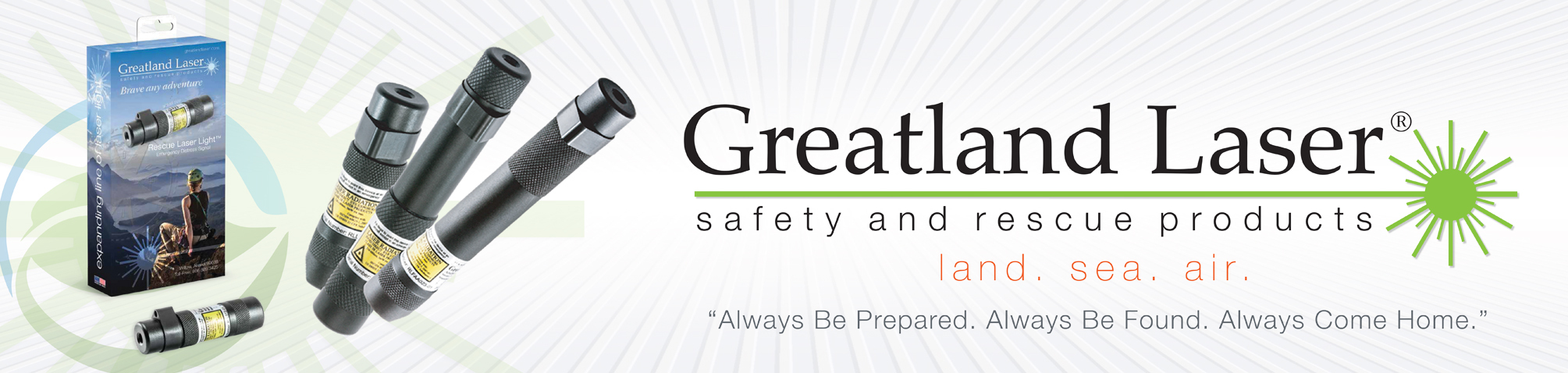
Out on open water or deep on a trail, the most important thing in any kit isn't food or a fire starter. It's whatever gets rescue teams to the right location. Greatland Laser builds Rescue Laser emergency signaling devices trusted by mariners, pilots, backcountry users, and military personnel worldwide. Every product is held to strict standards, and the company stands behind each one with genuine accountability. Small enough to forget about until nothing else matters — it belongs in every outdoor kit.
What Goes in the Emergency Kit
Keep at least one emergency kit in the house, updated every six months. Stock it with:
- Water — one gallon per person per day, three-day minimum
- Shelf-stable food and a manual can opener
- Battery-powered or hand-crank weather radio
- First aid supplies plus any medications the family takes regularly
- Flashlights, spare batteries, and a phone charger
- Copies of important documents in something waterproof
Paying for Home Safety over Time
Home safety upgrades rarely happen all at once — a generator one year, storm shutters the next, a safe room after that. Costs are hard to predict, which is why a home equity line of credit loan works well for families approaching this seriously. A HELOC draws against existing home equity without refinancing the current mortgage — borrow as each project starts, pay interest only on what's been used. There may also be tax advantages depending on how funds are applied. Flexible draw periods and access to larger amounts than most personal loans make it a natural fit for long-haul safety planning.
Home Upgrades Worth the Money
Not every upgrade carries equal weight. Here's a rough breakdown by risk and urgency.
|
Upgrade |
Risk It Covers |
Priority |
|
Backup generator |
Multi-day power outages |
High |
|
Storm windows or shutters |
High winds, hurricanes |
High |
|
Generator use, heating systems |
High |
|
|
Water storage |
Supply loss or contamination |
Medium |
|
Interior safe room |
Tornadoes, severe weather |
Medium |
Run Through This Before Any Trip
Five minutes of prep beats a week of regret. Run through these before heading out:
- Leave a trip plan with someone at home — destination, route, expected return
- Confirm every communication and signaling device is fully charged
- Pull the full weather window, not just departure day
- Open the first aid kit and confirm it's actually stocked
- Make sure every adult knows the plan if the group gets separated
Family Safety Planning: Real Answers to Real Questions
The same questions tend to come up. Most have clear answers.
What's the difference between a go-bag and a home emergency kit?
A go-bag is light, portable, built for evacuating fast. A home kit is bigger — designed for staying put through extended outages or local crises. They serve different purposes and shouldn't share supplies.
How often does gear need to be refreshed?
Twice a year, tied to time changes, keeps it automatic. Rotate food and water, swap batteries, check medications. That's also when to confirm the communication plan still fits how the family lives.
Should kids carry their own gear?
Older kids and teenagers can handle a small kit — whistle, snack, emergency contact card. It gives them agency instead of helplessness, which matters under pressure. Families who loop kids into the planning tend to hold up better when it counts.
Is a backup generator worth buying?
For families in serious storm regions, almost always yes. A portable unit runs refrigeration, lighting, and basic medical equipment through multi-day outages. Most families who buy one after a bad storm wish they hadn't waited.
What belongs in a family communication plan?
An out-of-area contact, two meeting points, and key numbers written somewhere physical — not just in a phone. It needs to work when the family is scattered during school and work hours. Review it twice a year as kids get older and schedules shift.
Small Steps, Taken Consistently
No single purchase makes a family prepared. But the version that works is achievable — honest look at real risks, gear and habits added over time, preparedness treated as something the family does rather than keeps meaning to do.